By Lauren VanDenBoom
Share

November 27, 2023

Healthcare used to operate almost exclusively on a fee-for-service basis, meaning each service performed was a line item billed separately and regardless of the outcome. That era is passing. Increasingly, high value care is the new driving force. This trend toward a team-provided and patient-centered healthcare model impacts both physical and financial outcomes.

By Mackin Bannon
Share

November 10, 2023

Health system laboratories are entering a pivotal season as they move beyond the COVID-19 pandemic and take on the challenges that have been left in its wake. From critical staffing shortages to extraordinary financial pressures to rapidly changing technology, labs are being tasked with increasing volume, generating more revenue and adapting to new technology despite fewer staffing, supply and financial resources.

Here are the top three challenges health system labs are facing and how hc1 can help overcome them.

1. Lack of Staffing

Lack of staffing is one of the biggest challenges health system labs face. The United States faces a critical shortage of laboratory professionals of around 20-25,000 individuals, roughly one medical laboratory scientist per 1,000 people. Further, a recent survey of lab professionals uncovered that 73 percent of laboratories are understaffed.

As lab professionals are being asked to do more with less, there are several risks. When lab departments are understaffed, it can lead to missed benchmarks and increased turnaround time. Additionally, understaffing can lead to burnout and the loss of even more staff – 85.3 percent of respondents to a survey by the American Society for Clinical Pathology reported having felt burnout as a laboratory professional.

To fill in the gaps, labs are left to pay overtime hours, hire contract staff or send testing out to reference labs. All of these are costly solutions that negatively impact the lab’s bottom line, leading to the next challenge health system labs are facing…

2. Growing Revenue Through Outreach

Hospitals and health systems are facing extraordinary financial pressures. According to a report from the American Hospital Association, over half of hospitals ended 2022 operating at a financial loss, primarily due to hospital expense growth outpacing Medicare reimbursement by about 10 percent.

To combat these financial challenges, health systems are looking for ways to “launch new lines of business, add new services and find ways to differentiate,” as stated by Optum in a recent report. Their survey of 150 healthcare leaders found that 49 percent consider growth one of the industry’s top challenges.

Within the lab, this often means starting or growing outreach programs to generate additional revenue for the health system. “Hospital-based labs across the United States are forging ahead with their lab outreach services in ways that generate many benefits,” said Jane Hermansen, manager of outreach and network development at Mayo Clinic Laboratories, in an interview with Dark Daily

Yet, many labs run their outreach programs out of LIS or Excel, which are not designed for tracking sales activity and managing customer service cases like a customer relationship management (CRM) platform. Meanwhile, others who are new to the outreach business may not have any systems or processes in place to ensure efficient workflows, quality service and accurate data. On the topic of data…

3. Becoming More Data-Driven

Healthcare organizations of all types – including laboratories – are beginning to understand better the importance of data in improving operations, optimizing spend and making better business decisions. The Optum survey referenced above found that data and analytics are the top investment priority for healthcare leaders, with nearly 90 percent of respondents considering data and analytics maturity as an area of importance.

In the lab, data analytics are becoming more prevalent. According to Medical Laboratory Observer’s State of the Industry: Lab Data Analytics, 49 percent of lab professionals said they are utilizing data analytics for some aspects of their operations and planning, up from 42 percent in 2022. These labs are using data to monitor turnaround time, analyze cost per test, measure staff productivity, uncover unnecessary testing and more

However, becoming more data-driven is easier said than done. According to the Medical Laboratory Observer report, only 31 percent of labs have access to real-time data in their analytics tools. Additionally, 51 percent of respondents said interoperability and data integration issues with LISs or EHRs are a stumbling block to implementing electronic processes at their labs. 

When considering the staffing shortages and financial pressures previously mentioned, health system labs can’t afford to waste time navigating between disconnected systems and manually manipulating data to get the reports and insights they need.

hc1 can Help Your Health System Lab Overcome Challenges

For over a decade, hc1 has been helping the nation’s leading laboratories tackle their toughest challenges. Our secure, HIPAA-compliant, cloud-based solutions reveal real-time insights and signals with the lab’s own data, empowering lab leaders to optimize operations, engage with providers and inform testing and treatment decisions.

Labs are using the following hc1 solutions today to solve the abovementioned challenges.

Staffing: hc1 Workforce Optimization™ helps lab leaders proactively optimize staffing levels by predicting demand for lab services across the organization and suggesting specific, department-level resource adjustments.

Outreach: hc1 Operations Management™ brings sales, service and operations workflows onto a single platform to enable labs to act on sales opportunities, quickly resolve issues and ensure customers are satisfied.

Data and Analytics: hc1 Performance Analytics™ connects disparate lab data sources, such as LIS, billing and EHR, to deliver actionable, real-time insights via dashboards and reports designed specifically for the lab.

Are you ready to tackle the top three challenges your health system lab faces? Let hc1 help you overcome these hurdles and transform your lab’s performance.

Take control of your lab’s future and reach new heights! Request a demo to learn more about how hc1 can help you optimize staff scheduling, grow outreach and make data-driven decisions.

___________________________________________________________________________________

Mackin Bannon is the product marketing manager for hc1. Mackin held various roles covering nearly every marketing area before settling on product marketing as a focus and joining hc1 in 2022. During the workday, he enjoys bringing stories to life in clear and creative ways. In his free time, he enjoys following his favorite sports teams, collecting vinyl records and exploring Indianapolis.

By Ginger Hart
Share

October 23, 2023

Lab data is a powerful yet untapped resource, but many labs don’t have the time or the tools to extract the true value of their data. Yet, there are endless possibilities available in the data your lab produces and you can easily access it when you have the right tools.

Watch this on-demand, 30-minute webinar to learn how hc1 has been helping labs leverage their data to overcome the challenges that stand in the way of meeting their goals. hc1 Directors of High Value Care, Dawn Seymour and Adam Sajewich, present “Doing More With Less: How labs can better utilize their data to drive superior outcomes.”

We encourage all lab decision-makers to watch the webinar here and plan to learn how your lab can achieve superior outcomes with your lab’s data. 

We asked Dawn and Adam to share what viewers can expect by watching this webinar.

                   
Dawn Seymour                                                                                 Adam Sajewich
Director of High Value Care, hc1                                                 Director of High Value Care, hc1

Why is this webinar relevant? 

Dawn: Labs are being asked to do much more with fewer and fewer resources while producing the expected results timely. It’s amazing how it can affect your business when you have access to the data you need. Data helps uncover opportunities for improvement. However, managing lab data is monumentally difficult without the right experience and necessary resources. We show that resources are available and labs are using these resources and seeing impressive results.  

Adam: Lab and IT professionals are stretched thin. Labs probably already know what they want and need to do, but they’re blocked because they don’t have the time, tools or resources to achieve their goals. This results in staff burnout and sometimes a decrease in customer service quality. Lab data is one of the most valuable assets the laboratory has at its disposal and we want to show labs how utilizing that data can resolve many of their pain points.

What viewers can expect to learn?

Dawn: We share how our clients tackle issues such as laboratory staffing, test utilization, real-time analytics, third-party sendout tests, root cause analysis, lab outreach, client retention and workflow automation. 

Adam:  We provide specific examples of ways hc1 clients have optimized their operations, lowered costs and improved patient outcomes. We also preview our upcoming solution to help labs proactively optimize staffing levels through AI-powered insights.

Who should watch this webinar? 

Dawn: This webinar will benefit anyone responsible for lab operations (lab managers, lab directors) who is short on staff, budget and time. If you think about the time you spend throughout the day manipulating, pulling or requesting data, you’re not operating at full efficiency. 

Adam: Lab executives who are charged with developing strategies to increase profitability or decrease spending, all while improving operations, will benefit from this webinar. We want to help these folks unlock real-time lab insights to help optimize lab spend and drive both customer and employee retention. 

Are you ready to start a conversation? If you have additional questions, please get in touch with us at info@hc1.com.

____________________________________________________________________________________

Ginger Hart has served as the Events Manager at hc1 since 2021. Before joining hc1, Ginger worked in event management in the pharma industry. Before entering healthcare, Ginger was an Events Manager at Google HQ in Silicon Valley, CA, for 11 years. She currently lives in Zionville, Indiana.

By Mackin Bannon
Share

October 16, 2023

In over a decade of working with labs, hc1 has developed the technology and expertise to make extracting insights from lab data quick and easy. The hc1 Lab Insights Platform™, which includes a suite of analytics and operations solutions, connects lab and healthcare data sources to uncover actionable signals that inform decisions. By creating a foundation of accurate and real-time insights, we open a world of opportunity for labs to optimize operations, reduce costs and improve care.

However, labs often ask us why they should partner with hc1 when they already have access to analytics and reports in their LIS.

While it is true that many LIS vendors also offer analytics capabilities, these tools are limited in nature and fail to provide the actionable insights lab leaders need to navigate today’s business challenges. hc1 offers a deeper level of analysis and a more robust set of tools to answer your biggest questions and streamline your most manual workflows.

hc1 vs. LIS: An Analogy

Think of your LIS as your primary care physician (PCP). Like a great PCP helps a person address the majority of their health questions and issues, your LIS helps you run the majority of your day-to-day operations. But when you have a need that warrants a specialist, your PCP works within their care network to connect you to the right expert.

Think of hc1 as one of those specialists – your cardiologist, for example. Just like the heart is the engine for the body, data insights are the engine for a laboratory. hc1’s solutions connect to your other internal systems, sitting at the center of your organization to ensure your operations are running efficiently and you have the data you need to make informed decisions.

Why Your LIS Isn’t Enough

Your LIS may offer reporting capabilities, but chances are they aren’t providing you with the insights you need. They may be built on an outdated, complex user interface that is difficult to use. They may not integrate well with your other systems, preventing you from analyzing external data and gaining a holistic view of your operations. Unless you pay the vendor some astronomical project fee, they may not allow for customization or advanced data analysis.

Just like your PCP isn’t a cardiology expert, your LIS vendor isn’t an analytics expert. You wouldn’t let your PCP perform open heart surgery, so why would you depend on your LIS vendor to be the sole provider of your most important business insights?

The Vendor with Analytics AND Laboratory Expertise

If you have a major business issue to address, hc1 can help diagnose it and solve it better than any other vendor out there. Not only do we have over a decade of experience providing laboratories with technology solutions created to serve their needs, but we also have a wealth of lab expertise across all areas of our company. From product development to sales and marketing to our advisory team, hc1 has numerous individuals with laboratory experience, ensuring we’re always focused on solving labs’ biggest problems.

Ready to unlock the power of your lab data? Request a demo today and learn how hc1 works together with your LIS to help you deliver superior outcomes.

___________________________________________________________________________

Mackin Bannon is the product marketing manager for hc1. Before joining hc1 in 2022, Mackin held various marketing roles before settling on product marketing as a focus. During the workday, he enjoys bringing stories to life in clear and creative ways. In his free time, he enjoys following his favorite sports teams, collecting vinyl records and exploring Indianapolis.

By Lorri Markum
Share

October 26, 2023

In today’s fast-paced world, we have become used to multitasking in our personal and professional lives. Thanks to mobile devices and global networks, we are always connected to work, family, friends, news, and society. However, this constant connection can make it difficult to relax.

Professionally, we often take on so much that we fail to recognize the extent of our burdens and how they may negatively impact our productivity. Like the iconic I Love Lucy episode in the candy factory, the process initially seems smooth and easy until it’s not. 

As an industry leader in identifying real-time insights and risk signals from complex laboratory data and working closely with labs nationwide of all sizes, hc1 has encountered countless stories from lab leaders voicing their top issues regarding their lab operations. Inadequate staffing is at the top of their list.

Even before the COVID pandemic, hospitals and clinical labs struggled to find sufficient staffing for their daily needs. Since the pandemic, the ability to juggle staffing demands has been insurmountable. Yet leaders have forged ahead, making do with what they have, overworking themselves and their staff out of necessity. Burnout and lack of retention have become residual effects of not having enough hands on deck to fulfill the high demands and needs, causing even more problems. 

Leaders have become even more focused on getting the immediate tasks completed, pushing harder, demanding more and taking on more themselves. As a result, they have begun dropping the proverbial “candy.” The quality of their productivity has waned and expenses have increased as they unconsciously settle for just getting things out the door, checked off the list, etc., resulting in true capabilities being sacrificed. Playing catch-up is an endless cycle when no resolutions are available to address the root problem.

Help for Overwhelmed Lab Managers

hc1 took this issue of lab understaffing to heart and developed a solution that identifies under-optimized staff scheduling and offers proactive recommendations to resolve problems before they happen. 

hc1 Workforce Optimization™ helps eliminate the overwhelming aspect of lab management, allowing lab leaders to feel less overwhelmed by predicting demand for lab services across the organization and suggesting specific, department-level resource adjustments. Through this optimization, labs can minimize sendout and short-term staffing costs, decrease the staff turnover and burnout caused by understaffing and reduce TaT to improve patient outcomes.

Feeling overwhelmed may never be completely removed from the professional lives of healthcare and lab leaders, but having the right tools to project future needs can allow a smoother journey and higher quality outcomes for all.

Feeling overwhelmed as a lab manager? You don’t have to go it alone

Watch our on-demand, 30-minute webinar Doing More With Less and learn how hc1 can help you successfully become a more optimized lab despite fewer available resources.

____________________________________________________________________________________

Lorri Markum is the marketing manager for hc1 Insights and has over two decades of corporate and nonprofit marketing leadership experience. Lorri specializes in B2B marketing and SEO optimization. Before joining hc1, she was the marketing manager for a nonprofit healthcare organization serving 40 counties throughout Indiana.

By
Share

It’s the easiest way to stay informed about trending topics related to hc1, such as lab insights, events, human interest and culture. As an hc1 Blog Subscriber, you will receive an email at the end of each month containing the latest blog highlights and a subscriber-only exclusive article as a “thank you” for subscribing!

Our team of industry professionals share their expertise, experiences and updates through valuable content, insights and first-hand knowledge.

Stay connected and informed! Click the Subscribe button on this page to become an hc1 blog subscriber today and bring the news directly to your inbox.

By Anthony Varner, M.Ed.
Share

October 2, 2023

I’ve had the privilege of recruiting professionals across various industries for over eight years. The list has included executives, salespeople, engineers, marketers, consultants and many more in both technical and non-technical environments. Joining hc1 challenged me with a new recruiting methodology.

Throughout my career, I’ve honed in on hiring and focusing on tech companies. The roles I’m typically recruiting for within the tech world now include software engineering, product manager, sales, support, marketing, etc. Candidates are generally mid-senior level, familiar with working in tech and often possess experience working in or growth-stage environments. 

As I jumped into healthcare technology (healthtech) and began recruiting clinical and scientific professionals, I’ve found the challenge is that many candidates lack an understanding of the “high-growth” mentality and are often looking for more structure than we can provide at this stage of our business ventures. I’ve also had to learn the terminology related to clinical studies and scientific research.

What I’ve learned about recruiting for Healthtech

When you combine technology and healthcare, there is a very unique staffing need to fulfill. The business has a dual focus on software/hardware technology and scientific/clinical affairs. The need for clinical and scientific knowledge is as essential as technology development for healthtech companies.

This presents recruiting and hiring challenges. A business has to determine its best approach to investing in talent. Specific skill sets are significant and have high compensation thresholds. Also, the approach to recruiting these varied skill sets is distinct. It requires a different approach to sourcing, structure of the interview process and evaluation method of potential candidates. There are also a few indicative requirements that anyone joining a growth-stage organization has to possess.

What makes a good employee at a growth-stage company?

Below are a few essential qualities that enable individuals to work successfully within these environments.

  • Flexibility: There can be abrupt changes to your work. A project you’ve poured lots of time and energy into can be abruptly paused, sometimes indefinitely, in favor of a bigger business need.
  • Drive: Many managers spend 51% or less of their time on management and strategy. This means they spend only 28% of their time ensuring their teams are focused on the right work. This means that if you join a growth-stage company, you should be self-motivated and willing to work independently most of the time.
  • Ambiguity: Most employees are tasked with working on projects with little to no structure or guidance. Regardless of the role level, developing project plans with limited support is a critical skill.

How does recruiting technical versus scientific candidates differ?

Sourcing: The active outreach to candidates that meet the requirements of open positions.


For software professionals, outreach for future team members occurs through traditional recruiting methods: LinkedIn, various job boards, etc., using boolean searches with terms easily gathered from job descriptions and hiring managers. 

Clinical and scientific hiring requires a different approach. Traditional outreach revealed challenges – lack of responses (use of LinkedIn), boolean keyword searches being less effective and added weariness in recruiter outreach. 

From a general sourcing perspective, my numbers for software roles are more than double those in scientific and clinical fields. Multiple reasons have led to this:

  • I’m much more comfortable with traditional skill sets and their keywords.
  • There are more individuals with specific job titles than others on LinkedIn. A quick search on LinkedIn garnered 3.8 million people with the job title “Software Engineer” and 873k people with “Scientist.”
  • The clinical and scientific roles require a more niche set of skills.

This means that your approach to sourcing candidates has to be more refined and your messaging has to be specific to your audience. A little bit of customization goes a long way.

Interview Process: The process and time it takes for a candidate to enter and complete a hiring process.

For software professionals, the interview process can be quick, efficient and have a reasonably standardized structure. Many engineers expect to complete interview processes within 3-6 weeks. There is plenty of information out there on sample projects and assessments if you want to incorporate that into the process.

I’ve found that clinical and scientific professionals take a slower approach to the hiring process, expecting a more lengthy timeline and apparently preferring it. Less information is available on assessment and project best practices for these roles. 

A significant difference I’ve seen through the process of interviewing and managing candidates is that scientific and clinical professionals are more interested in the process and understanding the business’s long-term goals than software professionals. This can be hard to share because of the fluid nature of a growth-stage company.

Evaluation: Determining if a candidate has the skills and abilities to complete the assigned work.

In addition to the abilities already discussed for growth-stage employees, every role has specific areas that should be covered during the interview process.

In software, we typically review someone’s written code. This can be done through tools like GitHub or by having the candidate submit code they’ve written. Many companies have candidates complete a coding exercise, meaning they ask the candidate to complete a small project, usually with an established set of parameters.

As we embarked on hiring clinical and scientific professionals, the use of exercises wasn’t the right path. How could we evaluate a scientist’s abilities when hiring our first scientist? Or how do we evaluate a clinical data analyst’s ability to manage large sets of qualitative data without breaking HIPAA or other types of compliance responsibilities we have? Creating a test from scratch might be too large an undertaking for a business at its current stage and size. Our approach to interviewing has been to ask several behavioral interview questions that would require a candidate to confidently discuss their experiences in detail. We can review written publications for some roles to see their writing style and abilities.

Conclusion

While it’s exciting to land the hire, there are times when the recruiting process can feel monotonous. Jumping headfirst into healthcare technology has re-engaged my love of the recruitment process and has helped me grow professionally. Nothing is more critical to an HR leader than professional development and learning! 

I love meeting new people and developing long-term, professional relationships with candidates and following their success. Be sure to check out hc1 careers often to see if we have something that interests you or someone you know seeking a position in healthtech!

_______________________________________________________________________________
Anthony Varner, M.Ed.,
is the director of talent acquisition at hc1 with over ten years of experience in talent management, recruiting and leadership development. Anthony has a penchant for working with high-growth companies to build effective processes, hire talent and develop leaders. With a focus on candidate and employee experience, he can blend business and candidate needs and values to secure great talent.

Aside from working in HR and recruiting, Anthony enjoys playing Dungeons & Dragons, reading sci-fi/fantasy novels and exploring the worlds of coffee and bourbon! Connect with Anthony on LinkedIn!

By Mackin Bannon
Share

September 15, 2023

In 2011, hc1 Insights™ (hc1) was created because our founder recognized that if labs could organize the vast amounts of valuable data they produce into actionable insights, they could be empowered to better manage operations, as well as personalize and advance care for all patients.

Now more than a decade later, hc1 is the leader in identifying real-time insights and risk signals from complex laboratory data. We offer an array of technology solutions – from lab analytics to customer resource management to staffing level optimization – that help thousands of laboratory locations extend their capabilities by leveraging their data to overcome the challenges that stand in the way of meeting their goals.

All these solutions are built on the hc1 Lab Insights Platform™, which connects disparate data sources to uncover actionable insights that inform operational and patient care decisions. As a high-performance, high-availability, multi-tenant, secure cloud platform, hc1 is optimized to support the needs of high-volume healthcare organizations.

Here are four ways that the hc1 Platform stands out from other laboratory software solutions.

1. Enterprise-class cloud technology platform

hc1 solutions are built on a cloud-based, enterprise-class platform. This allows us to streamline years’ worth of data across healthcare IT silos while delivering best-in-class availability and security. In fact, the hc1 Lab Insights Platform™ organizes diagnostic data for over 200 million patients and processes more than 30 billion clinical transactions and 500 million test results per month. It allows you to scale new solutions without large capital expenditures or significant IT resources.

While other vendors trap their solution on a single computer, limiting access to a select few employees, our cloud-based platform works for your entire organization. Hundreds, even thousands of individual users, can log on and access all the solutions and insights hc1 offers.

2. Actionable insights driven from real-time data

hc1 uses layers of advanced technology to integrate, organize, normalize and enhance data from multiple sources, including LISs, EMRs, billing systems and more. Unlike many other analytics solutions, hc1 solutions utilize an HL7 feed to bring you real-time data. We don’t provide a static snapshot from hours, days, or weeks ago – we provide actionable, real-time insights that empower lab leaders to identify issues, set strategies, take action and measure progress.

Because patient lives are on the line, hc1 provides labs timely data that they can act on to ensure turnaround times are met, test results are communicated and issues are resolved quickly.

3. Built for labs by lab experts

We are lab data experts. Former laboratorians work across all areas of our organization, lending their years of expertise to everything we do. We speak the language of the lab and we understand what keeps lab professionals up at night because we’ve been in your shoes. 

For over a decade, hc1 has been offering solutions specifically designed for the lab. We understand and work with laboratories’ native data format, and we don’t force-fit generic solutions into the lab environment – our solutions are built for the lab from the ground up. We are committed to helping laboratories reach their full potential.

Ready to start your journey with hc1? Request a demo today to learn how hc1 can help resolve challenges faced within your organization.

_________________________________________________________________________________

Mackin Bannon is the product marketing manager for hc1. Before joining hc1 in 2022, Mackin held various marketing roles before settling on product marketing as a focus. During the workday, he enjoys bringing stories to life in clear and creative ways. In his free time, he enjoys following his favorite sports teams, collecting vinyl records and exploring Indianapolis.

By Jennifer Maxwell
Share

September 13, 2023

Outreach means extending services or assistance beyond current or usual limits. In the context of a laboratory outreach program, it involves empowering and effectively serving your customers beyond providing just test results. A laboratory outreach program is essential for any health system looking to increase long-term revenue, fill unused capacity and promote the availability of specialized tests and services. 

To effectively serve its outreach customers,  a health system must provide feedback on service quality, turnaround times, and any issues that may arise. It is imperative to collaboratively identify areas for improvement and work together to enhance the partnership over time.

A robust operations and customer relationship management (CRM) solution integrated with the Laboratory Information System (LIS) using a real-time HL7 interface can provide the actionable insights and data necessary to target and engage prospects and service existing outreach clients. 

hc1 clients leveraging hc1 Operations Management™ and hc1 Performance Analytics™ have grown their outreach labs by as much as 90% in less than five years. Here are five things contributing to their success.  

1. End-user adoption and pre-planning bring the team into the platform

With any new software implementation, end-user adoption is key. Before and during the activation process, be sure to include end-users in the requirements-gathering sessions. Seek their feedback in workflow decision-making and look for ways to create efficiencies in their current processes. 

2. Training ensures the team is getting the most out of the platform

At go-live, ensure each end-user is fully trained and understands the value of the new software, including how it will make their day-to-day job easier! Side-by-side training with the hc1 enablement team has been highly successful for our end users, so they understand how to find the information they need throughout their day quickly. Also, give managers access to dashboards that will show them how their teams are improving and enable them to identify any gaps in efficiencies. 

3. Automation streamlines common tasks

Once your chosen solution, like the hc1 Platform™, is up and running, your team can begin leveraging its capabilities to create prospect records in the system and create tasks to connect with those prospects to establish outreach partnerships that benefit both parties. 

Many hc1 clients have leveraged an automated new account setup and onboarding process to streamline time and effort so customers can quickly start sending specimens. Within hc1 Operations Management, hc1 Action Assistant allows a newly closed deal to turn into a sequence of assigned activities for everyone responsible for onboarding a new client. This process gives the sales rep a view into how quickly things are progressing and identifies any roadblocks should they arise. 

4. Actionable insights focus the team where they’re most needed

A CRM provides a Rolodex of your clients and their key information, but you need actionable insights into those clients to know where your team should focus their efforts. If order volume from a client drops or a first specimen is not received by an expected date, the rep servicing that account will be notified immediately so they know to take action. Our clients are leveraging hc1 Alerting functionality to provide these leading indicators of client account health. 

5. KPI Dashboards and Client Scorecards make preparing QBRs easy

Quarterly Business reviews are a valuable client relationship tool. However, pulling data from multiple systems takes time and effort. hc1 clients are leveraging our KPI dashboards and client scorecards to quickly pull together a meaningful business review with valuable, real-time, actionable insights. Our most successful clients manage Client Services cases in hc1, allowing everyone servicing that Outreach customer to have a full view of their activity from sales to the first specimen received and beyond. 

Managing and growing a laboratory outreach program is essential to many health systems. Leveraging a robust operations and customer relationship management solution like hc1’s can provide valuable account health and client insights. I hope these tips help you with a similar implementation! 

We’d love to talk with you and show you how your lab or health system can benefit from outreach; please click here to contact us or request a demo of any of our hc1 solutions to get started.

___________________________________________________________________________________

Jennifer Maxwell is the executive director of client success at hc1 and leads the hc1 Client Success team, focusing on understanding hc1’s lab and health system clients who are challenged to do more with less. She understands how actionable, real-time insights can empower a clinical lab to make informed business decisions while providing quality services to physicians and patients. 

As part of the hc1 Insights Leadership team, Jennifer is focused on providing technology solutions for labs and health systems that help them optimize and grow their businesses while leveraging clinical data to identify risk signals for chronic diseases and improve patient outcomes.

By Dr. Peter J. Plantes
Share

September 6, 2023

The advice for reducing overweight conditions from doctors, allied health professionals and health promotion advocates is the same: “Preventing and managing obesity through a balanced diet and regular physical activity is the pathway to your success!” Well, that doesn’t seem to be working very well for the US population, as the evidence in the images below demonstrates. Access to self-help diet books, fad diets, exercise programs, gym memberships, and health promotion professionals appears to be significantly increasing as obesity statistics worsen. Access to fatty fast foods, overeating, and sedentary lifestyles with little physical activity all seem to be increasing faster than the success of health promotion activities. Children today play video games much more often than playing, running and bicycling outside than previous generations.  

And for those that do diet and increase their activity and exercise, the path can be frustrating and defeating. A successful diet regime requires several critical factors that all seem to be needed and maintained: behavioral changes in physical activity and mindful eating; support and accountability to self and others; realistic goals; and sustained lifestyle modification so the weight does not return to the obese baseline. That is a tough formula.

The prevalence of obesity among the US population is astonishingly high according to CDC statistics (most recently reported for 2021.)*   Body Mass Index (BMI) is the typical measure of reporting statistics on weight in the population. BMI is the measure of an adult’s weight in relation to his or her height, calculated by using the adult’s weight in kilograms divided by the square of his or her height in meters. 

  • BMI = Weight in Kilograms
    Height in Meters

Obesity is defined by the CDC and most medical experts define obesity as a Body Mass Index (BMI) of 30 kg/m2 or higher. The CDC calculates and reports its obesity statistics based on the data collected through the Behavioral Risk Factor Surveillance System (BRFSS), an ongoing, state-based telephone interview survey conducted by state health departments with assistance from CDC. According to this methodology, the state data is reported out accordingly:
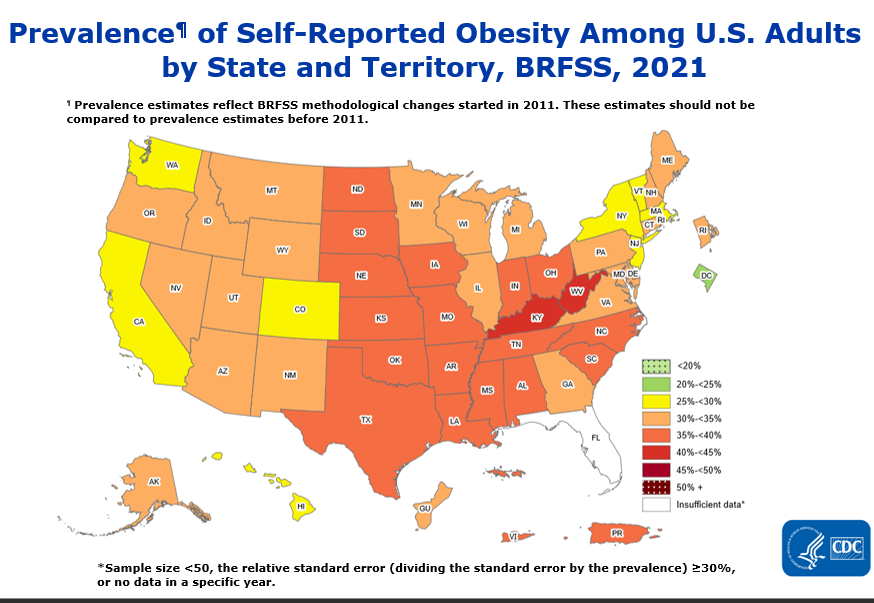
Self-Reported Obesity Adults by State BRFSS 2021

Summary

  • No state or territory had a prevalence of obesity less than 20%.
  • The District of Columbia had a prevalence of obesity between 20% and <25%.
  • 8 states had a prevalence of obesity between 25% and <30%.
  • 22 states and Guam had a prevalence of obesity between 30% and <35%.
  • 17 states (Alabama, Arkansas, Indiana, Iowa, Kansas, Louisiana, Mississippi, Missouri, Nebraska, North Carolina, North Dakota, Ohio, Oklahoma, South Carolina, South Dakota, Tennessee, and Texas), Puerto Rico and Virgin Islands had a prevalence of obesity between 35% and <40%.
  • 2 states (Kentucky and West Virginia) had a prevalence of obesity of 40% or greater.

Compared to the data 2011 map calculated by the same methodology of the BRFSS, it is extraordinary how rapidly the epidemic of obesity is accelerating in the US:
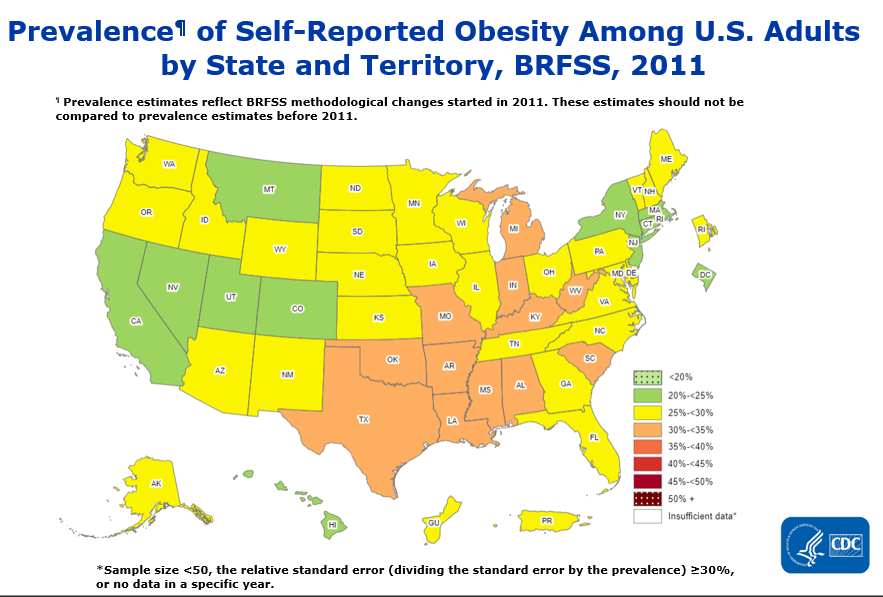
Summary

  •  All states and territories had a prevalence of obesity less than 35%.

Looking back even a bit further, the accelerating trend is even more pronounced: 
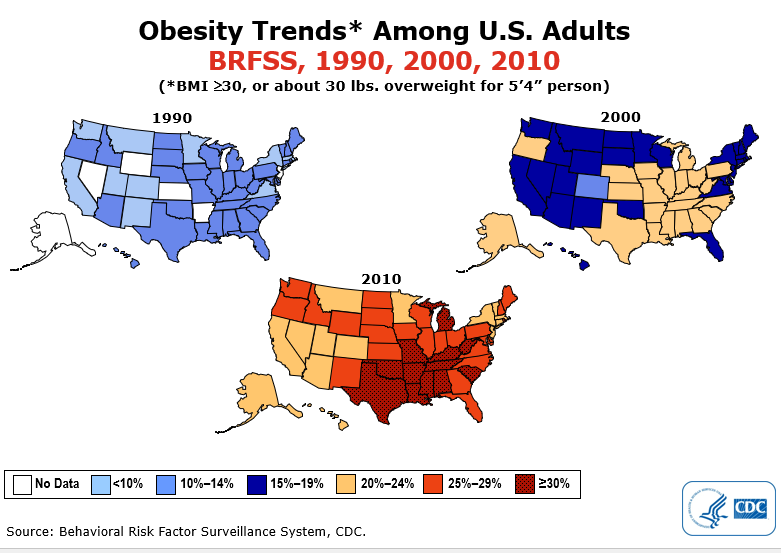

********************

The significance of this “Obesity Epidemic” is magnified when understanding that obesity is a significant risk factor in many acute and chronic disease conditions, and it increases the risk of developing various diseases. These include*: 

Acute Health Conditions:

Acute Respiratory Distress Syndrome (ARDS): Obesity can increase the risk of developing ARDS, a severe lung condition often associated with respiratory failure.

Deep Vein Thrombosis (DVT): Obesity is a risk factor for the formation of blood clots, including DVT, which can lead to serious complications if not treated promptly.

Gallbladder Disease: Obesity is a risk factor for the development of gallstones, which can cause acute pain and inflammation in the gallbladder.

Sleep Apnea: Obesity is a major risk factor for obstructive sleep apnea, a condition characterized by interruptions in breathing during sleep, leading to daytime fatigue and other health problems.


Chronic Health Conditions:

Type 2 Diabetes: Obesity is one of the leading risk factors for the development of type 2 diabetes, a chronic condition that affects blood sugar regulation.

Cardiovascular Disease: Obesity increases the risk of heart disease, including hypertension (high blood pressure), coronary artery disease, and stroke.

Metabolic Syndrome: Obesity is often a component of metabolic syndrome, a cluster of conditions that increase the risk of heart disease, stroke, and type 2 diabetes.

Certain Cancers: Obesity is associated with an increased risk of several types of cancer, including breast, colorectal, endometrial, and kidney cancer, among others.

Osteoarthritis: Excess weight can put added stress on joints, leading to osteoarthritis, a degenerative joint disease that causes pain and reduced mobility.

Fatty Liver Disease: Non-alcoholic fatty liver disease (NAFLD) is common in obese individuals and can progress to more severe liver conditions, such as non-alcoholic steatohepatitis (NASH) and cirrhosis.

Chronic Kidney Disease: Obesity is a risk factor for chronic kidney disease, which can lead to kidney failure.

Depression and Mental Health Issues: Obesity is associated with an increased risk of depression, anxiety, and other mental health disorders.

Reproductive Issues: Obesity can affect fertility and increase the risk of complications during pregnancy, such as gestational diabetes and preeclampsia.

Gastrointestinal Disorders: Obesity can contribute to gastroesophageal reflux disease (GERD), gallbladder disease, and other gastrointestinal issues.

* Harrison’s Principles of Internal Medicine, McGraw-Hill Publishers, (21 edition), 2022: various chapters:https://accessmedicine.mhmedical.com/searchresults.aspx?q=obesity%20risk%20factors&f_BookID=3095&adv=True&bookSearch=True

********************

A Cavalry Bugle Call is Heard over the Horizon

For patients and physicians alike, a new class of drugs has appeared like a Cavalry Charge in a battle almost lost to Obesity. This class of drugs is called: “GLP-1 agonists” ( glucagon-like peptide 1 (GLP-1) receptor agonists. )

Before looking at this class of drugs more specifically, let’s list the other drug classes previously approved by the FDA for weight reduction. Many have been saddled with a poor clinical track record and numerous adverse patient outcomes, making physicians cautious to prescribe or recommend them. 

These medications require a prescription from a doctor and should only be taken under close medical supervision.

  • Orlistat (Xenical)
  • Phentermine/topiramate (Qsymia)
  • Naltrexone/bupropion (Contrave)
  • Setmelanotide (Imcivree)
  • Appetite suppressants, including phentermine (Adipex-P or Lomaira)

These medications should be combined with a balanced weight loss diet, as alone, they’re not likely a helpful long-term solution for obesity and may lead to weight regain over time. They also have many possible side effects, some of which can be serious.

********************

* https://www.niddk.nih.gov/health-information/weight-management/prescription-medications-treat-overweight-obesity

Compared to the above weight loss drugs, GLP-1 agonists have been celebrated in the medical literature as a new breakthrough in both weight reduction and the reduction of risk from disease conditions associated with obesity. Two GLP-1 agonists have been approved for weight loss, including liraglutide (Saxenda) and semaglutide (Wegovy). Both are available as a self-administered injection, but liraglutide is administered once daily, while semaglutide is only injected once per week.

********************
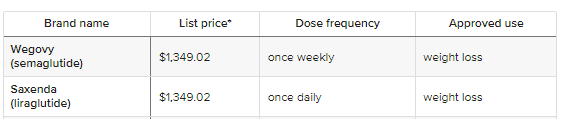
*Note: Pricing information from GoodRX.com above is current as of publication but is subject to change. Also, remember that out-of-pocket costs can vary depending on insurance coverage.

********************

GLP-1 agonists are only available through a prescription from a doctor or other qualified healthcare professional. GLP-1 agonists work by slowing the emptying of the stomach, increasing feelings of fullness, and reducing the secretion of glucagon, a hormone involved in regulating appetite.

Common side effects are generally mild and include constipation, nausea, vomiting, diarrhea, dizziness, headaches, increased heart rate, infections, and indigestion.

Though uncommon, severe side effects have also been reported, which may require medical attention. These include kidney problems, thyroid C-cell tumors, gallbladder disease, low blood sugar, and suicidal ideation. Therefore, these medicines should be used under regular medical check-ups with your physician.

Contraindications to these medications are infrequent and are not recommended for people with multiple endocrine neoplasia (MEN) syndrome type 2, history of thyroid cancer or pancreatitis, pregnancy, and current use of certain prescription medications.

Effectiveness of GLP-1 Agonists:

In the STEP 1 Trial **, researchers found that a weekly 2.4 mg dose of semaglutide was associated with a 14.9% reduction in body weight among participants with overweight or obesity vs. a 2.4% reduction with placebo. It was also associated with improved BP, fasting plasma glucose and lipids.
**Wilding JPH, et al. N Engl J Med. 2021; doi:10.1056/NEJMoa2032183 

Another small study found that people taking liraglutide lost an average of 17.2 lb (7.8 kg) over six months. ***
***https://pubmed.ncbi.nlm.nih.gov/33466127/

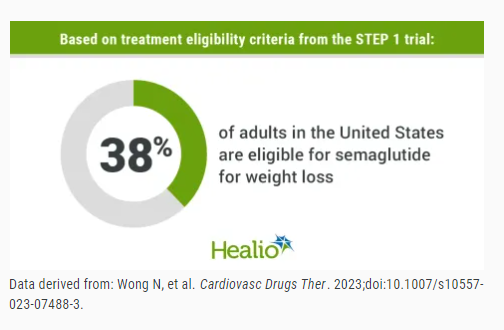
In a follow-up study*, the researchers used treatment eligibility criteria and treatment effects from the STEP 1 trial to estimate the impact of semaglutide treatment on obesity prevalence and CVD events within the U.S. population. The analysis included data on 19,225 participants from the 2015 to 2018 U.S. National Health and Nutrition Examination Survey (NHANES).

Overall, according to the researchers, 3,999 participants fit the STEP 1 eligibility criteria for treatment, translating to a population size of 93 million, or 38% of U.S. adults.

* Wong, N.D., Karthikeyan, H. & Fan, W. US Population Eligibility and Estimated Impact of Semaglutide Treatment on Obesity Prevalence and Cardiovascular Disease Events. Cardiovasc Drugs Ther (2023). https://doi.org/10.1007/s10557-023-07488-3
Among the 3,999 participants, 3,493 had no prior Cardiovascular Disease Events (CVD) and were eligible for a 10-year CVD risk estimation. The researchers found that applying STEP 1 treatment effects resulted in

  • 86.4% of adults losing 5% or more body weight,
  • 69.1% losing 10% or more body weight, and
  • 50.5% losing 15% or more body weight

Based on this, the researchers estimated that semaglutide could reduce the obesity prevalence by 46.1% in the U.S., leading to 43 million fewer people with obesity. In addition, 16.8% of the study cohort would be reverted to the normal weight category, representing 17.5 million U.S. adults.

Meanwhile, the estimated 10-year risk for CVD was reduced from 10.15% to 8.34% following treatment, amounting to a 1.81% overall risk reduction and 17.8% relative risk reduction. This translates to 1.5 million fewer CVD events over ten years, with most preventable cases among men (2.2%) and white individuals (2.01%).

The Bottom Line 

Are the GLP-1 Agonists the “magic shot” in the long, frustrating battle with obesity and its concomitant associated clinical illnesses (diabetes, CVD, stroke, etc.)?  They have a significant impact on weight reduction over a relatively short duration of a few weeks to a couple of months. But even more important is the study above estimating the 10-year relative risk reduction of CVD by 17.8%. This savings in the productive life of the US workforce and the reduced medical cost of treating America’s #1 disease entity would profoundly impact our society and economy. 

So, what is the hold-up? Answer…the cost of the drug! 

Currently, these drugs are expensive, as pharmaceutical companies try to recover their research costs and know they can charge a high price for a heavily sought-after product. GLP-1 Agonist drugs and obesity treatments are generally not covered by public or employer health plans. Like Gastric bypass surgery, the health plans feel that weight reduction programs, medications, and surgery are “elective” and/or experimental (unproven benefit) and, therefore, are a “non-covered benefit” to the insured patient. 

However, These new studies will be highly debated as they challenge the idea that GLP-1 Agonists remain “experimental or non-proven” therapies. More studies like Wong’s will soon make the point in medical circles that GLP-1 Agonist medications are safe and effective ways to reduce overall healthcare costs and reverse the epidemic obesity trend discussed in the early part of this article. Employers likewise will need to re-examine whether it is well worth the cost of adding these treatments into their medical insurance “covered benefits.” It will keep their employees healthier.  And isn’t that what an employer would want to do so they protect their most valuable corporate asset…their workforce talent?  

______________________________________________________________________________________________________________

Peter J. Plantes, M.D., FACP, is one of hc1’s Clinical Advisors and has three decades of experience creating service and delivery solutions that enhance marketplace success and clinical performance for clinical practice groups, academic faculty group practices, hospitals, health systems, and healthcare organizations. His success stems from his ability to blend and synergize clinical knowledge, operational expertise, financial performance, and collaborative methodology with his deep commitment to serving patients and improving community health.

Dr. Plantes has served as a Physician Executive and CEO for several large healthcare clinical delivery networks, including regional community networks, academic practices, national hospital networks, international health systems (Chile, Colombia), and corporate managed care/HMO networks.