Event Recap
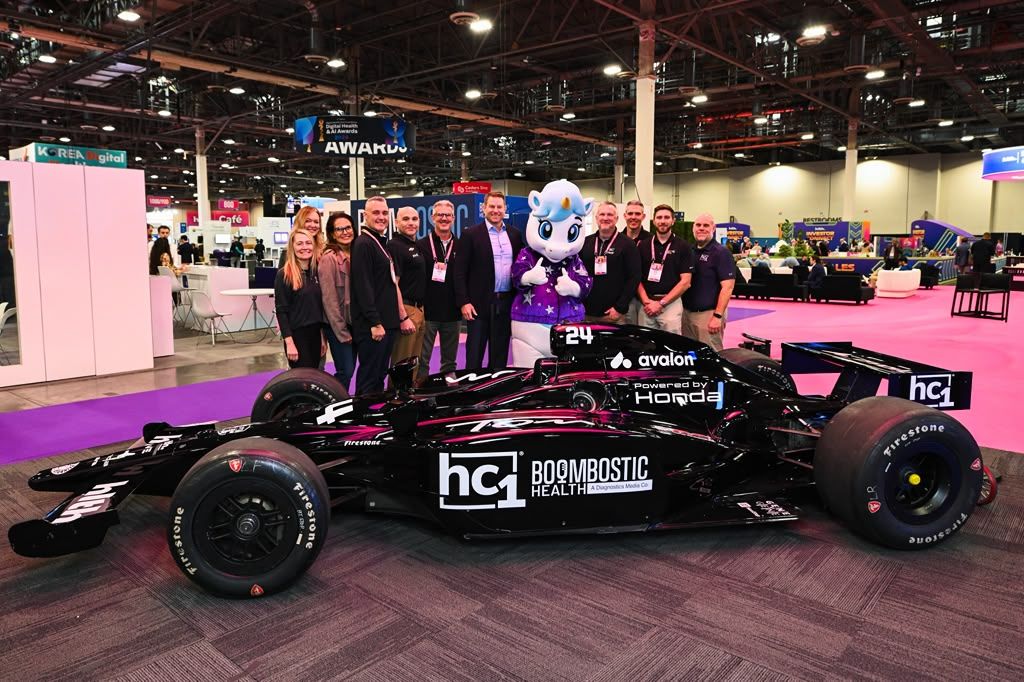
HLTH brought together leaders with ambitious plans for AI in healthcare. As hc1’s Chief Product Officer, I came to Las Vegas with a practical question: what does it take to turn those plans into measurable results?
Across conversations with health systems, payers, and potential partners, I wanted to understand where agentic AI efforts are getting stuck. Is the barrier access to usable data, cybersecurity and compliance, accuracy, or cost? And where is AI already producing outcomes in diagnostics that organizations can demonstrate?
Those questions matter because diagnostics can do far more than inform an individual care decision. Lab data can help health systems and payers identify gaps in care, guide earlier action, and find opportunities to operate more efficiently. HLTH was a chance to explore how organizations are making that shift and where hc1 can help.
What hc1 Showcased at HLTH
We showed how Clinical IQ™ brings together data, AI, and clinical expertise to address a care gap from identification through action. That included our work in anemia management and women’s health, as well as a new women’s health product for payers designed to help close gaps across the populations they serve.
We also showcased Source IQ™, our agentic supply chain platform built to help labs find savings in their purchasing, contracts, and utilization. For lab leaders under pressure to control costs, the goal is clear: turn complex supply chain data into opportunities they can act on.
And we discussed how Signal IQ™ can help pharma and life sciences organizations use diagnostic data to better understand testing patterns, patient journeys, and opportunities for earlier intervention.
What Stood Out at HLTH
One key takeaway from HLTH: in several sessions, speakers asked the crowd who had successfully implemented agentic AI. Rarely did more than 5% raise their hands. We’re still at the tip of the spear, with early adopters figuring out what works.
Many conversations came back to security, messy data, and human control. Those themes cemented my belief in hc1’s Solution as a Service concept. Clinical experts and forward deployed engineers (FDEs) are critical to helping health systems and payers achieve outcomes quickly and affordably. At this point in AI’s lifecycle in healthcare, software alone will fail.
The hard work isn’t building the UI or even the agent. It’s in the details: crafting end-to-end solutions with clean data, the right balance of agent autonomy and human control, security and role authority, agent evaluation, and cost and consumption models that deliver the right ROI.
That doesn’t mean every health system needs to build a custom solution or become its own product company. It means they need a partner to deliver a comprehensive, outcome-focused solution. That’s what we do at hc1.
See hc1 IQ™ in Action
Find out how Clinical IQ, Source IQ, and Signal IQ turn lab data into measurable outcomes for health systems, payers, labs, and life sciences.