Case Study
$15.8 Million in Lab Savings. Less Than Two Years. One Health System’s Story.
Most health systems assume they’re getting reasonable pricing on their lab contracts. Some have run their own analyses. A few have dedicated supply chain teams spending months on vendor reviews.
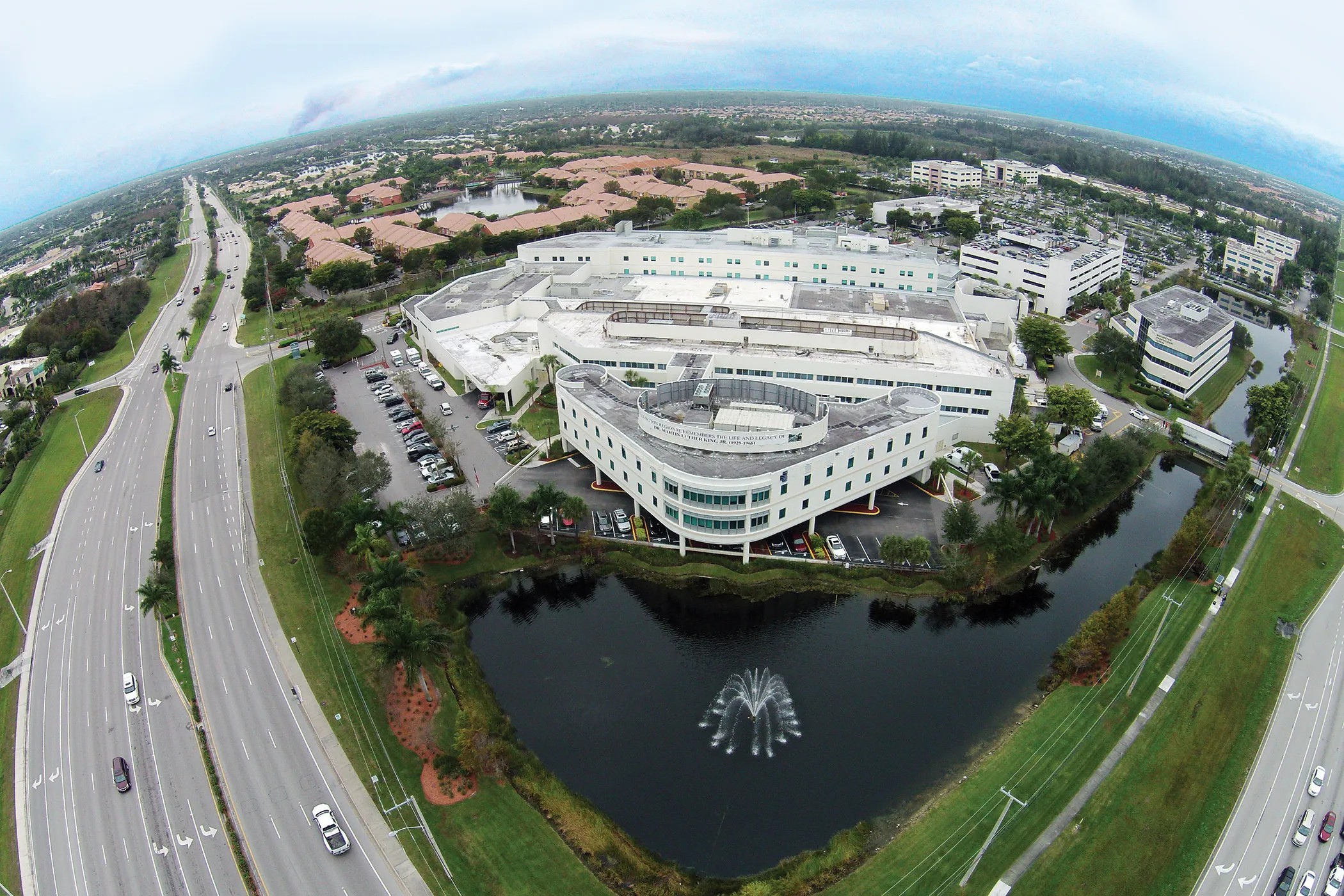
One large national health system with hospitals spread across dozens of states did all of that. And still left tens of millions of dollars on the table.
Key Takeaways
- $15.8M in verified lab savings achieved in under two years
- $11.2M saved through reagent and service contract optimization across 9 lab categories
- $4.6M in capital equipment savings from an often-overlooked opportunity
- $2M+ in additional savings opportunities are currently in progress
- 350+ hospital partners contribute benchmark data that has helped deliver $250M+ in documented client savings
That changed when they partnered with the hc1 Source IQ™ team. In under two years, their labs have captured over $15.8 million in verified savings across reagent contracts, service agreements, and capital equipment. Not projected. Not modeled. Completed.
$15.8M
Total verified savings
350+
Hospital partners in the benchmark network
<2 yrs
Time to capture results
The Organization
Large health systems negotiating without market-wide benchmark data consistently pay more than necessary, even when their internal teams are skilled and diligent. This health system operates hundreds of facilities across the country: acute care hospitals, behavioral health centers, freestanding emergency departments, and ambulatory locations. Lab supply spend at that scale accumulates fast. And at that scale, even small gaps between current pricing and true market benchmarks translate into millions of dollars left behind every year.
The challenge is knowing where those gaps actually exist, and having the category expertise to act before a contract window closes.
The hc1 Advantage: Network Scale No Individual System Can Match
hc1 works with 350+ hospital partners across the country, with over $250 million in total documented savings delivered across its client base. That network creates a category-level benchmark database that no individual organization, regardless of size or sophistication, can build from its own data alone. When a health system engages the hc1 Source IQ team, they are not getting a software tool pointed at their spend. They are getting visibility into what the entire market is actually paying, by category, by vendor, by contract structure.
That is the structural advantage. And it is the reason results like this are possible.
The Challenge: Good Pricing Is Not the Same as Great Pricing
This organization is sophisticated. Their supply chain and lab teams already negotiated contracts and tracked spending carefully. On the surface, many of their vendor agreements looked competitive.
But there is a difference between pricing that looks good in isolation and pricing that is elite relative to the actual market.
That gap is exactly where hc1 operates. The Source IQ team works with lab and supply chain data across hundreds of health systems, giving them category-level benchmarks that no individual organization can build from their own data alone. When this health system brought hc1 in to take a closer look, what came back was a detailed picture of where real savings were sitting, across more categories than anyone anticipated.
The key factor on the client side: they were open to it. When the analysis pointed to a new direction, their team was willing to act.
What the Savings Actually Look Like
The results span two distinct types of savings, which is part of what makes this story different.
Reagent & Service Contracts
$11.2 Million
The bulk of the savings came from renegotiating and optimizing reagent and service contracts across major lab categories. Chemistry and immunoassay represented the single largest opportunity, a category where annual spend runs into the tens of millions and where even modest pricing improvements generate outsized returns.
The categories where hc1 identified and captured savings include:
- Chemistry and immunoassay
- Molecular diagnostics
- Rapid molecular testing
- Blood banking
- Hematology
- Reference laboratory services
- Rapid kits and point-of-care testing
- Quality control supplies
- Microbiology
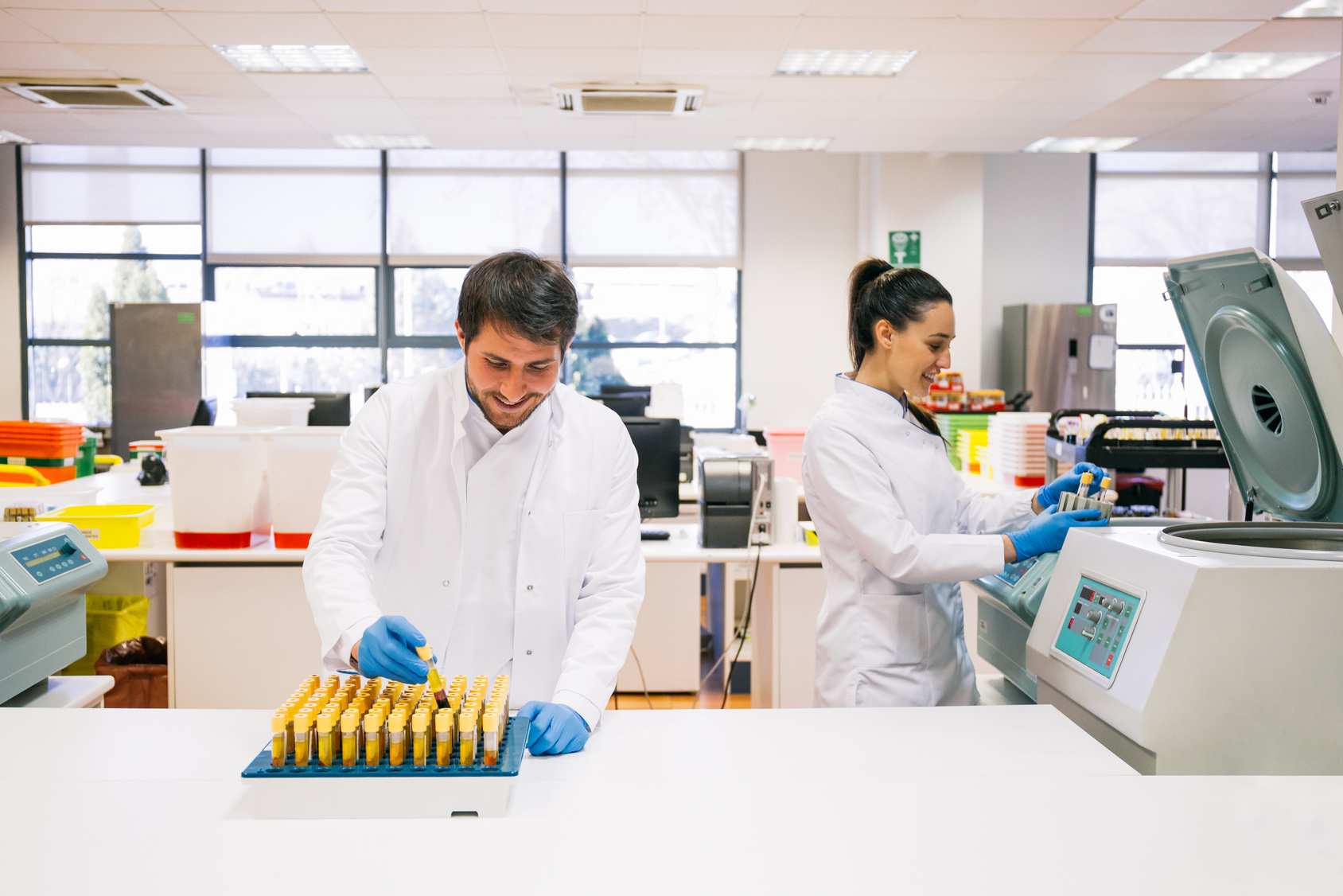
Across these categories, savings were not uniform. Some came from contract renegotiations as existing agreements came up for renewal. Others came from identifying vendors willing to compete for the health system’s business at pricing benchmarks their current supplier had not offered. In the case of reference lab services alone, the team identified and locked in over $600,000 in annual savings against a spend base where this organization already believed their pricing was strong.
That is the hc1 benchmark in action. You can be a good negotiator and still not know what elite looks like.
Capital Equipment
$4.6 Million
Most health systems leave capital savings behind entirely. Here is why: lab supply chain conversations typically center on reagents and service contracts. Capital equipment, including analyzers, instruments, and high-value systems, is treated as a separate procurement process handled outside of traditional supply chain optimization. The result is that instrument pricing almost never gets subjected to the same benchmark rigor as consumable spend.
The hc1 Source IQ team operates across both. And here, that extended view produced $4.6 million in capital equipment savings, with hematology and chemistry representing the largest opportunities. A significant portion came from blood banking capital investment as well.
Why Results Came in Under Two Years, Not Five
Health systems that engage hc1 Source IQ typically see meaningful savings in the first contract cycle, not after years of internal analysis. The reason is twofold: benchmark data that already exists at network scale, and a client team willing to act on what the data shows.
An individual health system negotiating alone is working without full market visibility. They know what they pay. They do not know what 350+ other systems pay for the same category with the same vendor. hc1 does. That intelligence gap is the difference between reasonable pricing and elite pricing, and it cannot be closed by adding more internal headcount or better internal software.
The second factor is timing. Lab supply savings are not available in equal measure at all times. Contracts have terms. Vendor relationships have renewal windows. The organizations that capture the most savings are the ones that move when a window opens.
This health system moved. Their team was responsive to recommendations, willing to renegotiate or transition to a new vendor when the analysis supported it, and trusted the process. That trust was not blind. The hc1 team brought specific data, category expertise, and a clear recommendation at each decision point. But the client had to be willing to act on it.
That combination of hc1’s benchmark intelligence and the client’s responsiveness is why $15.8 million in savings came together in under two years rather than over five.
Why DIY Lab Supply Chain Optimization Has a Ceiling
DIY lab supply chain optimization, whether through internal analytics teams or general-purpose software, consistently underperforms against a dedicated benchmarking partner. The ceiling is not effort or intention. It is data. An organization can build a sophisticated internal tool and still not know what its peer systems are actually paying, what a specific vendor’s real pricing floor is, or which categories have remaining room in the current contract cycle.
The hc1 Source IQ team works alongside your team as an extension of your supply chain function. The platform provides the analytical infrastructure. The people provide the expertise, the market intelligence, and the hands-on support to turn analysis into signed agreements and documented savings. That combination of proprietary benchmark data plus category experts who have negotiated these contracts hundreds of times is what creates outcomes that internal teams and software alone cannot replicate.
At this health system, that combination produced results that neither data alone nor internal team capacity alone would have generated on the same timeline.
What Your Organization Could Capture
The health system in this case study had strong internal supply chain capabilities and already believed their pricing was competitive. They still found $15.8 million in savings that had not been captured.
That pattern holds across organizations of every size. The gap between current pricing and elite-tier benchmarks exists whether you have 5 hospitals or 100. The categories where savings live, including chemistry, molecular, and capital equipment, are consistent. What varies is how much is available and how quickly it can be captured based on your current contract landscape.
The only way to know what your number looks like is to look.
hc1 offers a complimentary savings assessment for health systems ready to find out.
No obligation. No upfront cost. Just a clear picture of where your lab supply spend stands relative to benchmark, and what a partnership with the hc1 Source IQ team could deliver.
Frequently Asked Questions
How long does it take to see lab supply chain savings with hc1?
Most health systems begin seeing verified savings within the first contract renewal cycle. The national health system in this case study captured $6 million in completed savings in 2025 and $9.8 million through May 2026, meaningful results in under two years, driven by benchmark-informed negotiations and a client team ready to act.
Is DIY lab supply chain optimization worth it?
Internal analytics can surface spending patterns, but they cannot close the benchmark gap. Knowing what you pay is not the same as knowing what 500 other health systems pay for the same contract. Without network-scale benchmarking, even sophisticated internal teams negotiate without full market visibility and consistently leave savings behind.
How does capital equipment fit into lab supply chain savings?
Capital equipment, including analyzers, instruments, and high-value lab systems, is typically procured through a separate process from reagent and service contracts, which means it rarely receives the same benchmarking rigor. hc1 Source IQ applies the same market intelligence to instrument procurement, and in this engagement that extended view produced $4.6 million in savings that would otherwise have been left on the table.
What does an hc1 lab savings assessment include?
The complimentary savings assessment reviews your current lab supply spend against hc1’s category-level benchmarks across reagents, service contracts, and capital equipment. It identifies where your pricing sits relative to the market and estimates what a Source IQ engagement could deliver, with no obligation and no upfront cost.